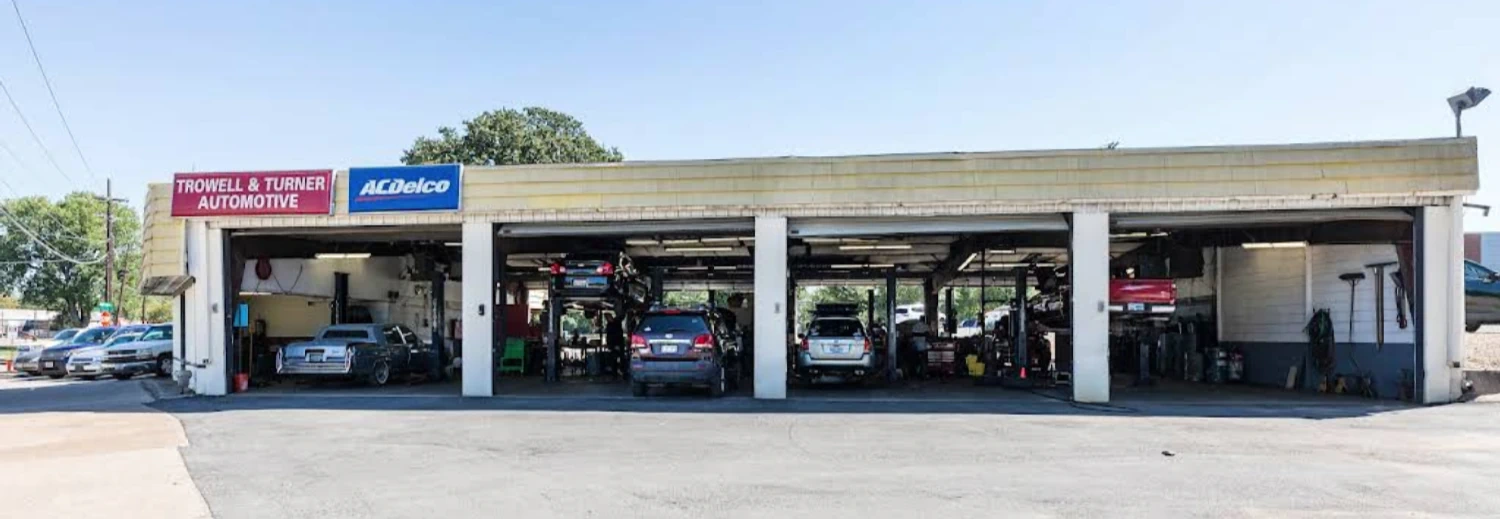

Fleet Computer Diagnostics in Dallas, TX
Modern fleet vehicles rely on onboard computers and electronic systems to monitor everything from engine performance and emissions to transmission operation and electrical components. When a warning light appears or a vehicle begins behaving differently, computer diagnostics can provide valuable information about where the problem may be coming from. Using professional diagnostic equipment alongside hands-on testing, technicians can pinpoint the underlying issue and recommend the appropriate repairs, helping reduce guesswork and unnecessary downtime.
Services We Perform
Check Engine Light
No one likes to see their truck's "Check Engine" light come on. The light could mean a costly problem, like a bad catalytic converter, or it could be something minor, like a loose gas cap. At Trowell & Turner Automotive, we can pull the code and diagnose the problem for you. Give us a call at 214-637-1940 or stop by the shop for our expert assistance.
Computer Diagnostics
Modern vehicles are fitted with at least one onboard computer. The computer's main function is to monitor and adjust the engine and transmission. Computer testing and diagnostics is an integral aspect to professional electronic work on modern cars. Computer diagnostics help find the root causes of major and potential automobile problems. We have state of the art computer diagnostics equipment such as digital code readers, pressure test kits, circuit testers, digital tachometers and more. Visit us at our auto shop in Dallas, TX 75235 for all your vehicle's computer diagnostic needs.
Drivability
Drivability is the degree of smoothness and steadiness of your fleet vehicle's acceleration. Most modern vehicles are fitted with on-board computers that continuously check the readings from various sensors. In case of drivability problems, you will receive a warning message on your vehicle's dashboard. To have your vehicle diagnosed for drivability issues, visit us today. We have the necessary tools, training, and technology to diagnose and address your vehicle's drivability issues.
Engine Controls
Basically, an engine control system is an on-board computer in your fleet vehicle. Like all computers, the engine controls are composed of hardware and software. Automotive engine control systems are responsible for regulating exhaust emissions, and providing increased fuel economy. To get the best out of your vehicle's incredibly powerful technology, make sure engine controls are working properly. To check if your engine controls are working properly, call Trowell & Turner Automotive today.
What Can Fleet Computer Diagnostics Identify?
Computer diagnostics can provide valuable insight into problems affecting many of your fleet vehicle's major systems. By communicating with the vehicle's onboard computers, technicians can retrieve diagnostic trouble codes and vehicle data that help narrow down the source of performance, electrical, or drivability concerns.
Computer diagnostics can help technicians investigate problems involving:
- Engine performance and misfires
- Fuel and ignition systems
- Transmission operation
- Emissions systems
- Sensors and electronic controls
- Charging and electrical systems
- ABS and traction control
- Other vehicle-specific electronic modules
It's important to remember that a diagnostic trouble code does not necessarily identify the part that needs to be replaced. Instead, it provides technicians with a starting point for additional testing and inspection so they can determine the underlying cause of the problem.
Dashboard Warning Lights You Shouldn't Ignore
Dashboard warning lights are often one of the first signs that a fleet vehicle has detected a problem. While some warnings may indicate routine maintenance needs, others can point to issues that should be diagnosed promptly to prevent additional damage or an unexpected breakdown.
Warning lights fleet drivers should pay particular attention to include:
- Check Engine light
- ABS warning light
- Battery or charging system warning
- Transmission warning light
- Traction or stability control warnings
A steady Check Engine light typically indicates a problem that should be diagnosed soon, while a flashing Check Engine light can signal a more serious issue, such as an active engine misfire. Drivers should avoid ignoring warning lights and have the vehicle evaluated when necessary to help prevent a smaller problem from becoming a more costly repair.